


What Is Crystalline Silica?
Crystalline silica is a natural mineral found in many types of rock, including greywacke, which is the resource Boral is proposing to extract from the Reedy Creek site. When rock is cut, crushed, drilled or blasted, tiny silica particles are released into the air as respirable dust. According to Safe Work Australia, these particles are so small they cannot be seen, and they can stay in the air for a long time.
Why Is It Dangerous?
When respirable crystalline silica is inhaled over time, it can cause serious and irreversible health conditions. According to Safe Work Australia, breathing in respirable crystalline silica can cause:
- Silicosis, a progressive and incurable lung disease caused by scarring in the lungs
- Lung cancer
- Chronic obstructive pulmonary disease (COPD), including emphysema and chronic bronchitis
- Kidney damage
These diseases can take years to show symptoms and may continue to worsen even after exposure has stopped. Cancer Council Australia estimates that approximately 230 Australians develop lung cancer each year as a result of past occupational exposure to silica dust.
Australia Has Already Taken Action
The health risks of crystalline silica are now so well documented that Australia has become the first country in the world to ban the use, supply and manufacture of engineered stone. The national ban came into effect on 1 July 2024, following a unanimous decision by Work Health and Safety Ministers in December 2023.
The ban was introduced specifically in response to rising rates of silicosis and silica-related diseases among workers exposed to engineered stone products, which can contain up to 97 per cent silica. While the quarry context is different to engineered stone fabrication, the underlying hazard is the same mineral: crystalline silica.
What Does This Mean for the
Reedy Creek Community?
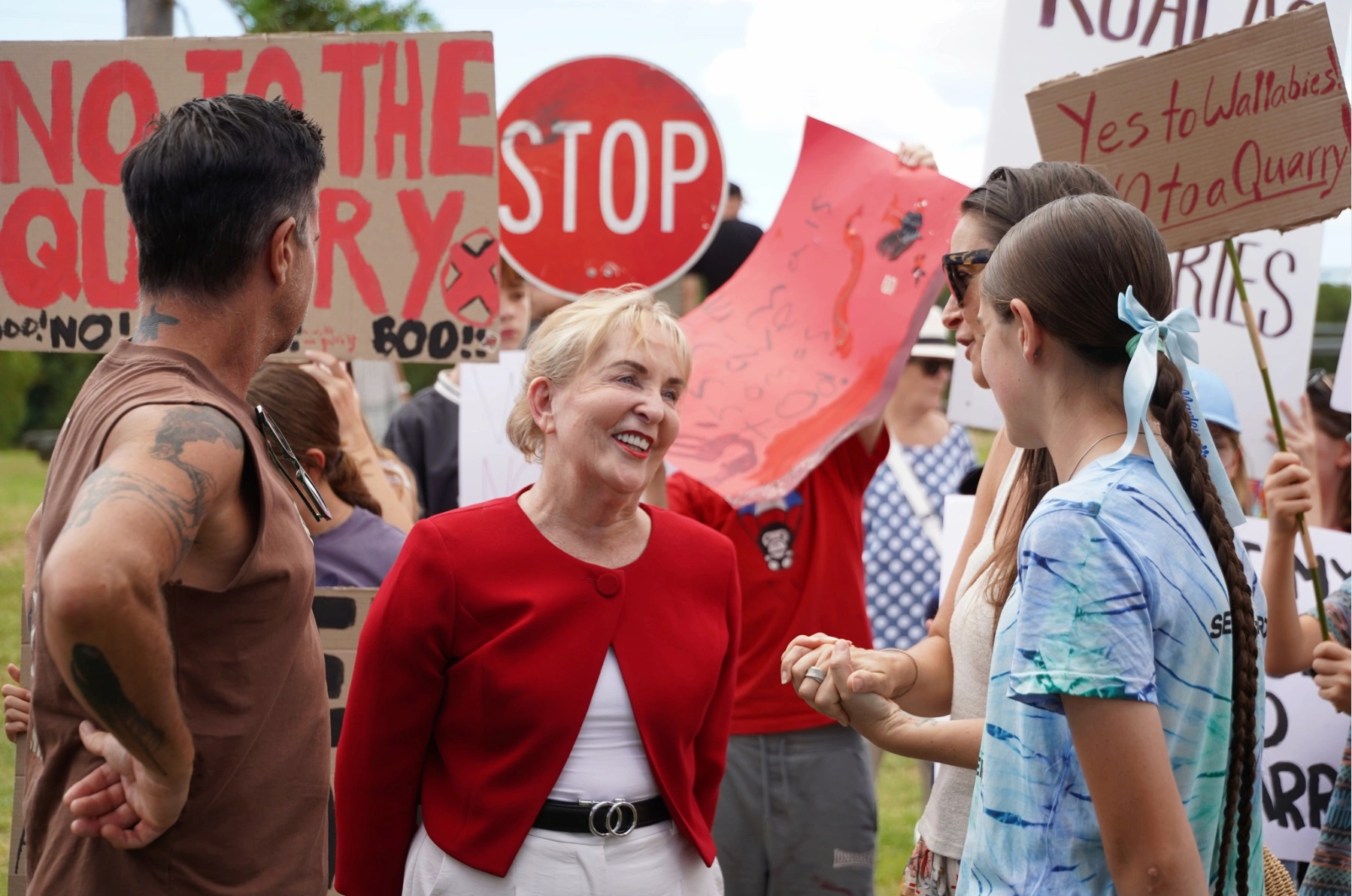
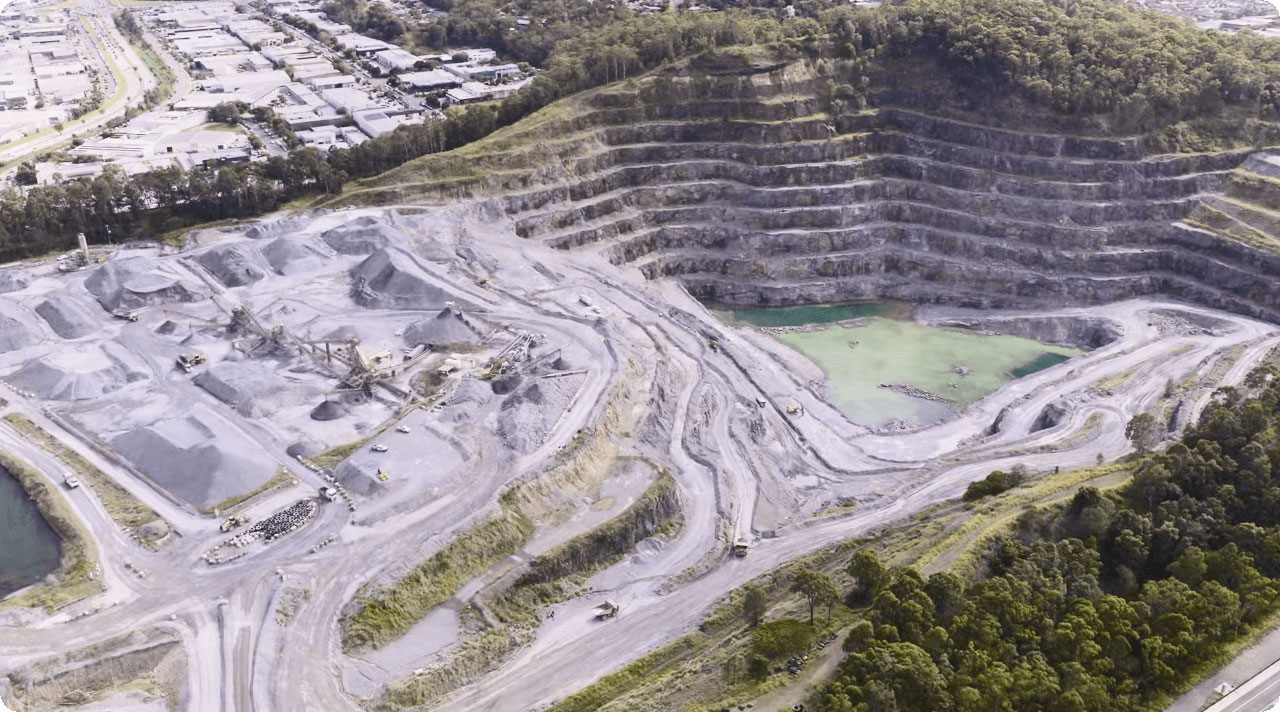
The proposed quarry would involve large-scale blasting, crushing and screening of hard rock over a potential operational life of approximately 40 years. The Mudgeeraba Chamber of Commerce raised this concern directly in its formal objection to Gold Coast City Council, stating that “multiple generations of our community would be living with regular blasting, the constant noise of crushing and screening equipment, silica dust, and vibration.”
Gecko Environment Council also highlighted concerns about “dust generated from blasting and rock movement, particularly near homes and schools.”
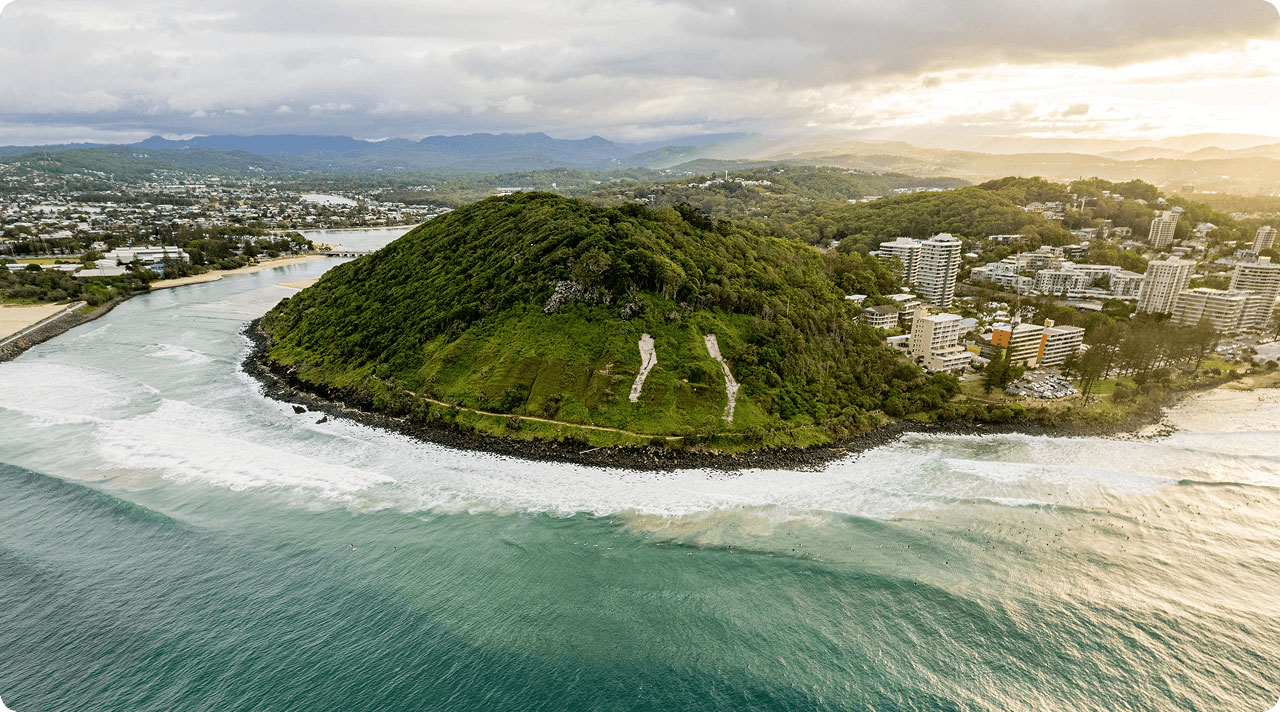
The Reedy Creek site sits in a semi-rural residential area of the Gold Coast, surrounded by homes, schools and families in suburbs including Reedy Creek, Mudgeeraba, Burleigh and Tallebudgera. On days with unfavourable wind conditions, airborne particulates from quarry operations have the potential to affect areas well beyond the immediate site boundary.
A Note on Community Exposure
Most research on silica dust health effects focuses on occupational exposure, meaning workers who directly handle or process silica-containing materials. Community exposure from a nearby quarry would generally be at lower concentrations than direct workplace exposure.
However, the proposed quarry would operate for decades in close proximity to a residential community. The long-term effects of sustained low-level exposure in residential areas near quarry operations remain an area of ongoing research. What is well established is that crystalline silica is a recognised health hazard, and the Australian Government has already taken significant regulatory action to reduce exposure across the country.
The Key Facts
Crystalline silica is a recognised and serious health hazard. The proposed quarry would operate for approximately 40 years in a residential area of the Gold Coast, involving large-scale blasting, crushing and screening of hard rock in close proximity to homes, schools and families. The potential for long-term community exposure to airborne silica dust is a legitimate concern and one worth understanding as part of any informed discussion about this proposal.