


What Is a Key Resource Area?
A Key Resource Area (KRA) is a designation under the Queensland State Planning Policy that identifies land containing extractive resources considered to be of state or regional significance.
In simple terms, a KRA protects land containing a valuable resource by restricting other types of development, such as residential housing, from being built nearby. The purpose is to make sure the resource remains accessible if it is ever needed in the future.
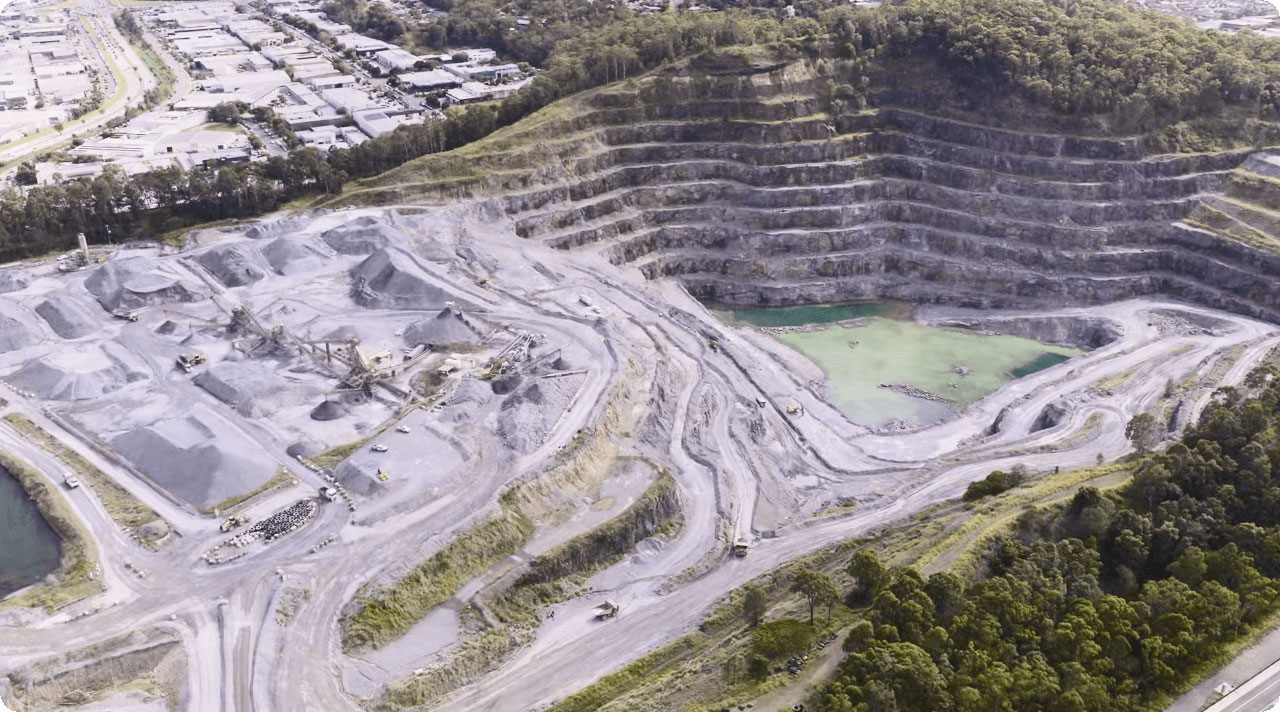
The Reedy Creek site is designated as KRA 96. There is also a related KRA 70 at West Burleigh, which is connected to Boral’s broader quarry operations in the area.
Does a KRA Approve a Quarry?
No. A KRA does not approve a quarry or grant permission to extract resources. It simply protects the resource from being blocked by other types of development. A separate development application must still be lodged, assessed and approved before any quarrying can take place.
However, the KRA designation plays a significant role in planning decisions. Because the resource is identified as being of state significance, the KRA can influence how a development application is assessed and whether other development is permitted in the surrounding area.
Why Does the KRA Matter So Much?
The KRA is the reason this fight keeps coming back.
In 2014, Gold Coast City Council unanimously refused the quarry. Boral appealed and lost in the Planning and Environment Court in 2017 and again in the Court of Appeal in 2018. But the KRA was never removed. Because the designation remained in place, Boral was able to lodge an entirely new application in 2025.
Even if this current application is refused, the KRA means the door stays open. As long as the KRA exists, future applications to extract the resource remain possible.
Who Has the Power to Remove a KRA?
Only the Queensland State Government can review and remove a KRA designation. Local council does not have this power.
According to Business Queensland, KRAs are managed by the Geological Survey of Queensland (GSQ), which sits within the Department of Resources. The GSQ is responsible for assessing and recommending amendments or removals of KRA designations.
This is a critical point. Gold Coast City Council can refuse a development application, but it cannot remove the underlying KRA. Only the State Government can do that.
How Does the Call-In Connect?
The Queensland Government has issued a proposed call-in notice for Boral’s current quarry application. If the application is called in, the decision moves to the State Government.
Supporting the call-in brings the decision to the only level of government that also has the power to address the KRA. It does not guarantee the KRA will be removed, but it opens a door that leaving the decision with council alone does not.
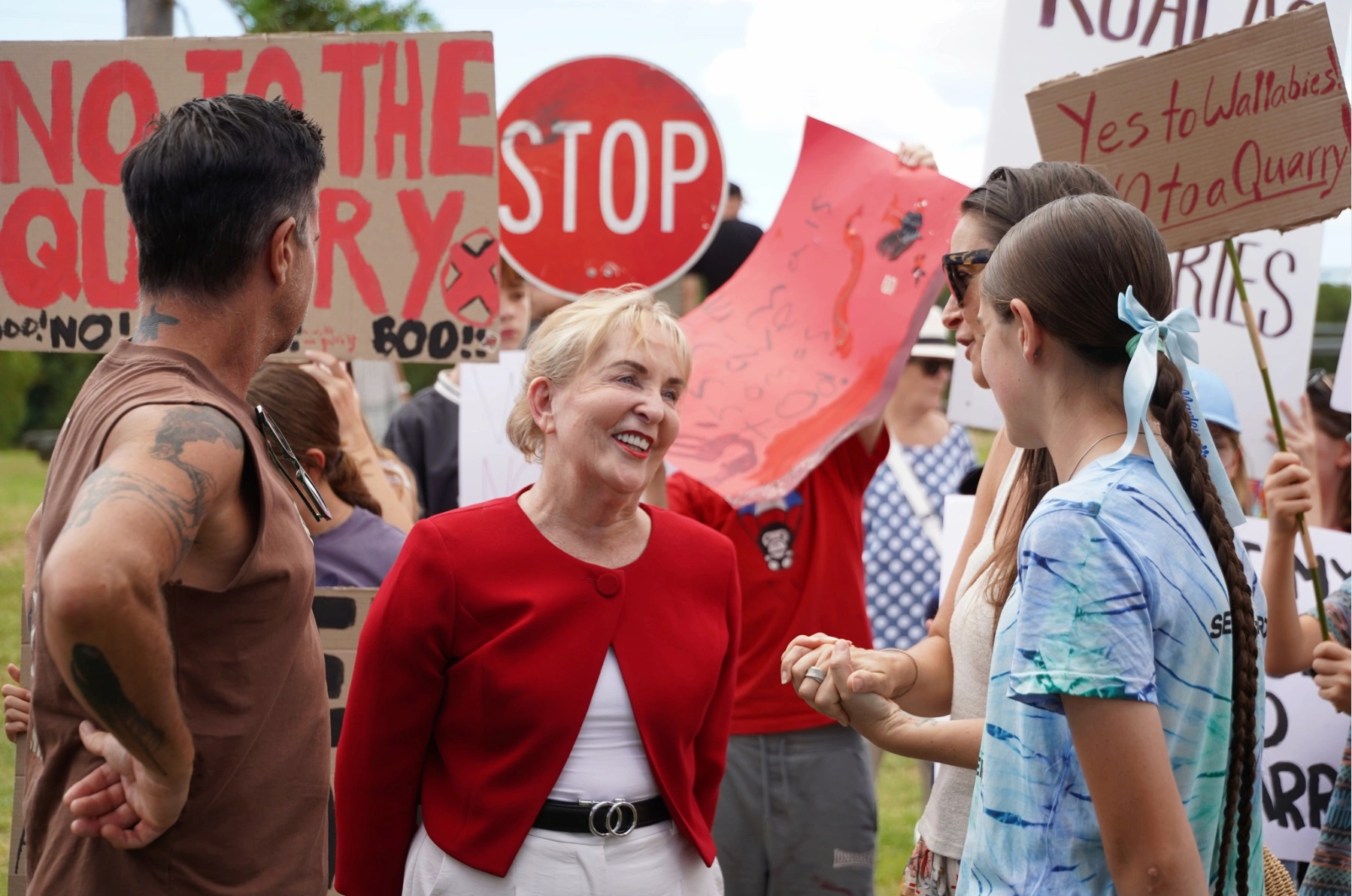
Local State MPs Ros Bates (Mudgeeraba), Hermann Vorster (Burleigh) and Laura Gerber (Currumbin) have publicly supported reviewing the KRA designation. Ms Bates has coordinated a formal request to the Deputy Premier to remove the KRA over the Reedy Creek site.
What This Means for the Community
The KRA is the piece of this puzzle that many people do not know about. Understanding it changes the way you see the entire issue. Without the KRA being addressed, refusing this application may simply delay the next one.
An informed community is an empowered community. And understanding the KRA is an essential part of being informed about the future of Reedy Creek, Tallebudgera Valley and the broader Gold Coast.